Identical vs Fraternal Twins
One egg or two, and why it matters. Identical twins start as one fertilized egg, fraternal twins as two. How each type forms, how common it is, and what raises the odds of twins.
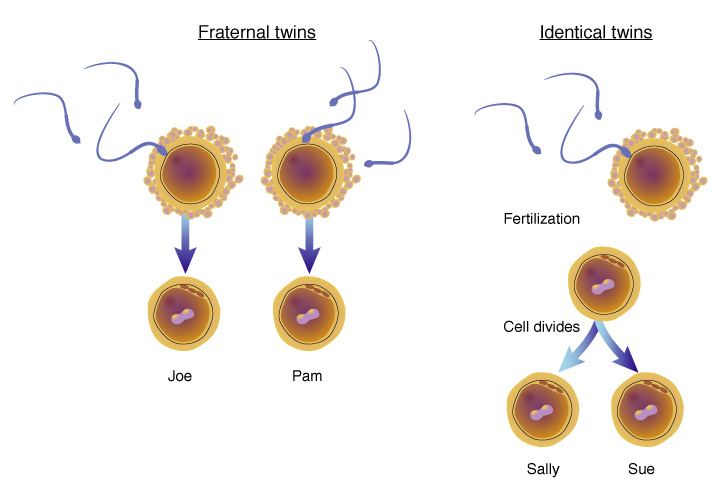
How fraternal and identical twins begin: National Human Genome Research Institute, Public domain
Two very different beginnings
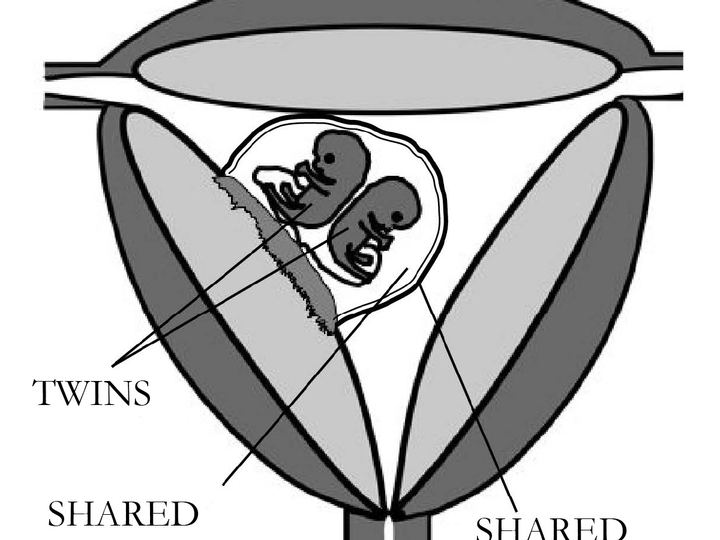
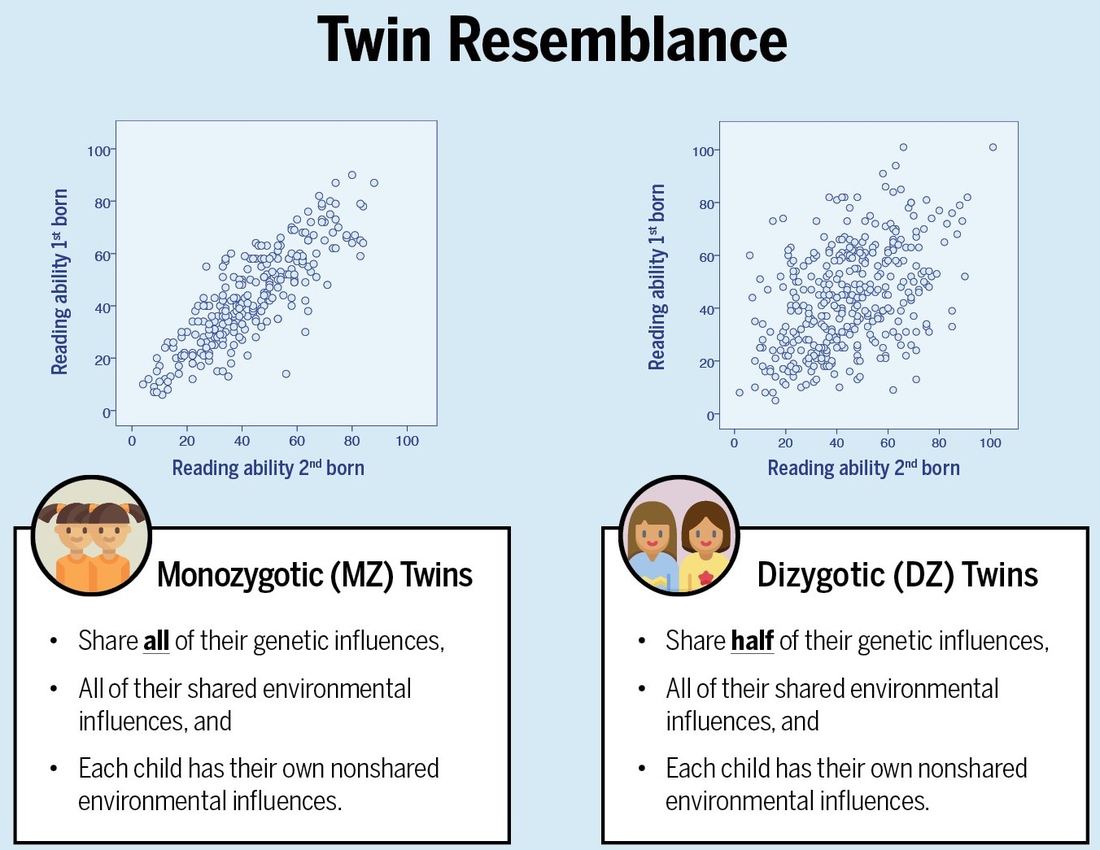
Every pair of twins starts in one of two ways. Identical twins, which scientists call monozygotic, begin when a single egg is fertilized by a single sperm. Very early in development, that one embryo splits and two babies grow from it. Because they come from the same starting cell, identical twins carry essentially the same genes and are almost always the same sex.
Fraternal twins, or dizygotic twins, begin as two separate eggs released in the same cycle, each fertilized by its own sperm. Genetically they are ordinary brothers and sisters who happen to share a birthday, sharing about half their genes on average. They can be two girls, two boys, or a boy and a girl, and they can look as alike or as different as any siblings.
How often each kind happens
According to the US National Library of Medicine, identical twins arrive in about 3 to 4 of every 1,000 births worldwide, and that rate is remarkably steady from one population to the next. Fraternal twins are about twice as common overall, but their numbers swing widely around the world. Yoruba communities in southwestern Nigeria have the highest rate on record, roughly 45 to 50 twin sets per 1,000 births, while parts of Asia and South America sit at the low end.
Twins have become more common in many countries. In the United States, twin sets rose from about 9.4 to 16.7 per 1,000 births between 1980 and 2009, largely because more people used fertility treatments and started families later.
What raises the odds of fraternal twins
Fraternal twins happen when the body releases more than one egg in a cycle, so anything that nudges that process changes the odds. The National Library of Medicine lists the mother's age, ethnic background, diet, body type and number of earlier children, along with assisted reproduction such as IVF. Twinning rates roughly double for mothers over 35.
Fraternal twins also run in families. A woman whose sister has had fraternal twins is about twice as likely to have them herself. Identical twinning is different: in most cases it does not seem to be inherited, and why an embryo splits usually remains a mystery.
The twins in between
In 2019 a team in Brisbane, Australia, led by Michael Gabbett and Nicholas Fisk, described something rarer in the New England Journal of Medicine. A twin pregnancy shared one placenta, which usually means identical twins, yet one baby was a boy and the other a girl. Tests showed the pair had identical DNA from their mother but shared only about 78 percent of their father's genome. The likely story: one egg was fertilized by two sperm at once, and the embryo later split. These semi-identical, or sesquizygotic, twins were only the second case ever reported, and the team found no others when they screened 968 fraternal pairs.
One more surprise: separate placentas do not prove twins are fraternal, because identical twins that split in the first few days can grow their own. A DNA test is the only sure way to tell.
- How fraternal and identical twins begin: National Human Genome Research Institute, Public domain
- Identical twins resemble each other more closely than fraternal twins: Sara A. Hart, Callie Little and Elsje van Bergen, CC BY-SA 4.0
Text written by Actual Twin.