The Science of Doppelgangers
Why some strangers share a face. A 2022 study used face-recognition software and DNA tests on look-alike strangers and found that many of the closest pairs share genetic variants.
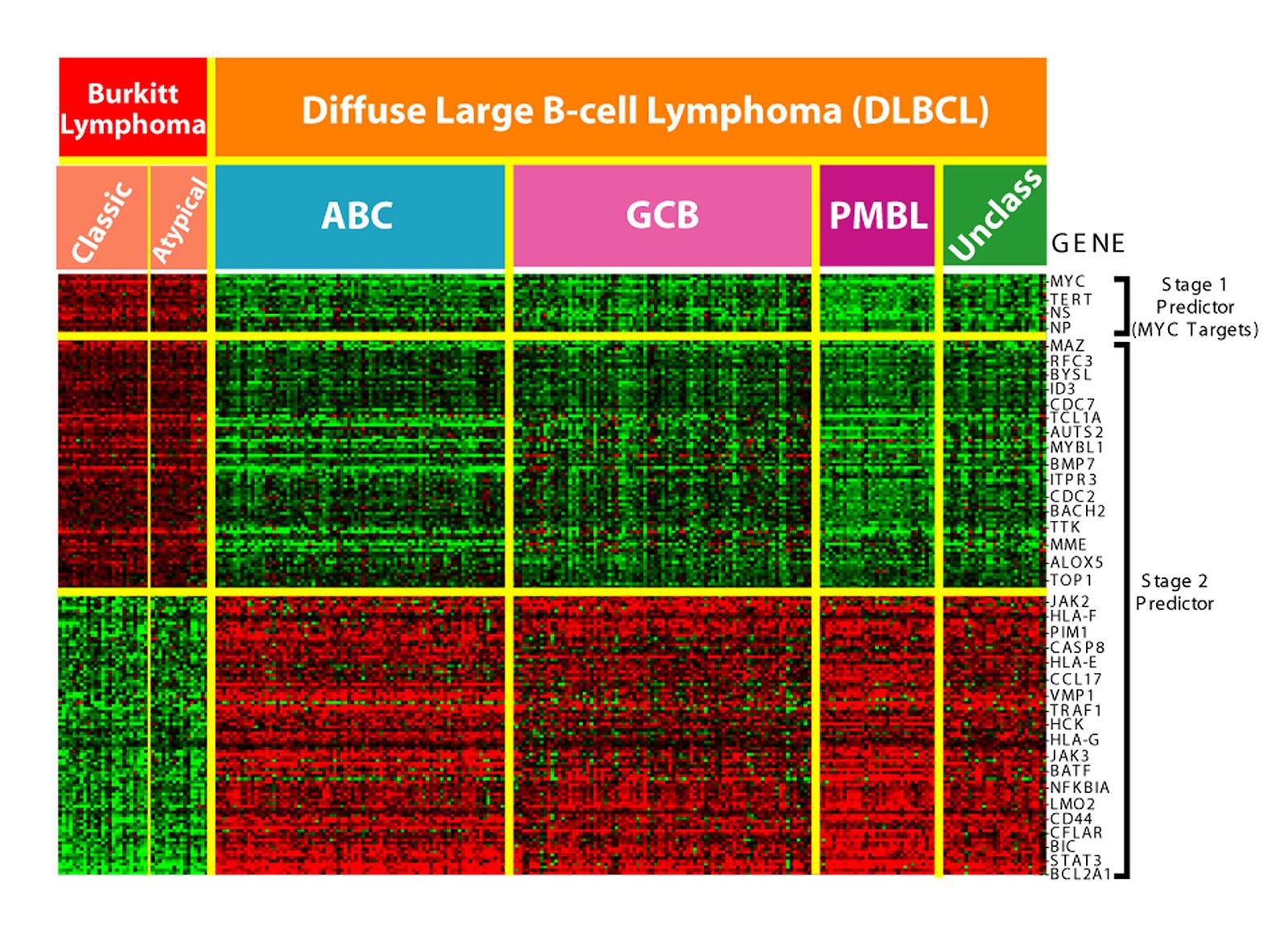
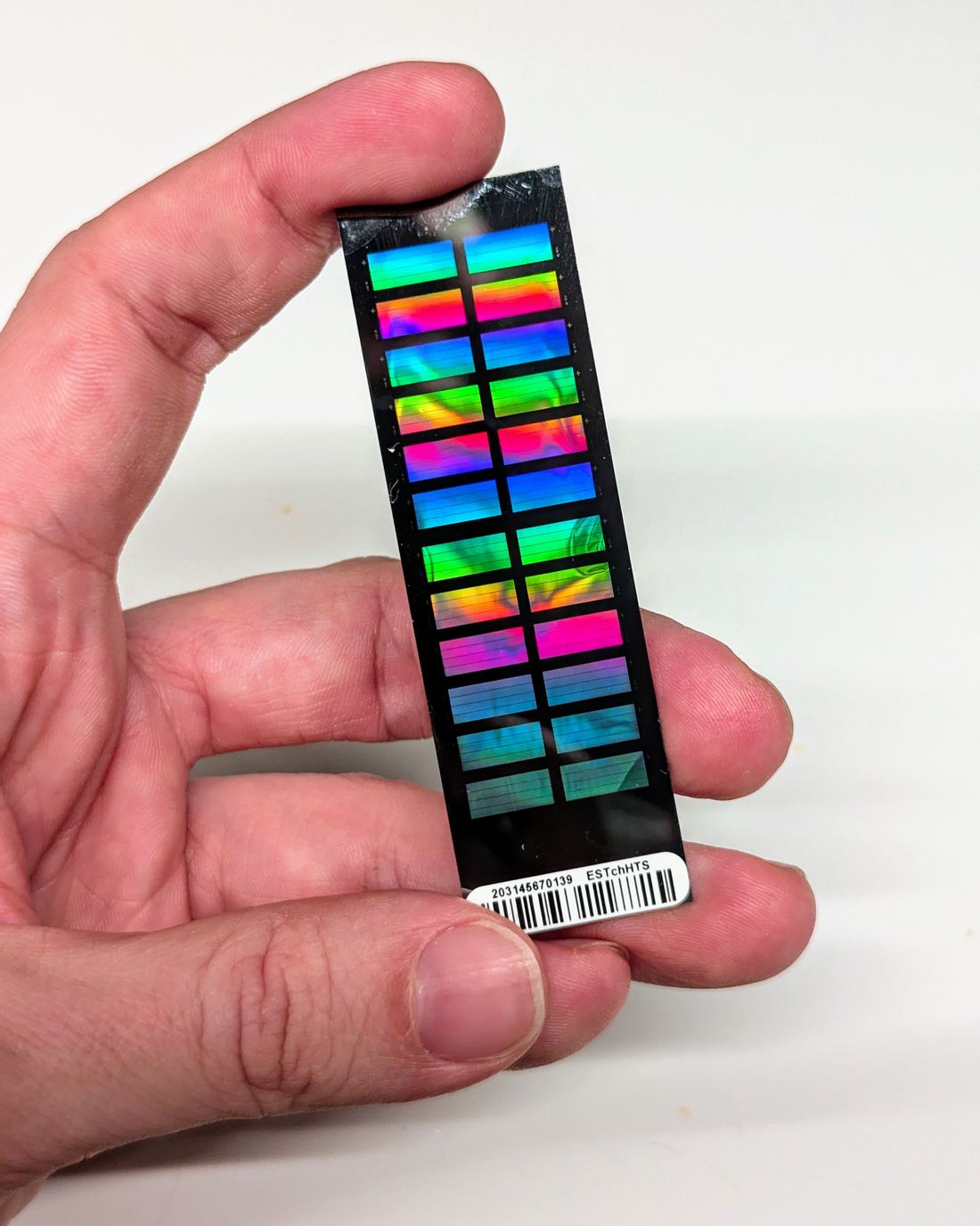
A DNA microarray, the kind of tool used to compare genomes: Bill Branson (Photographer), Public domain
A double you have never met
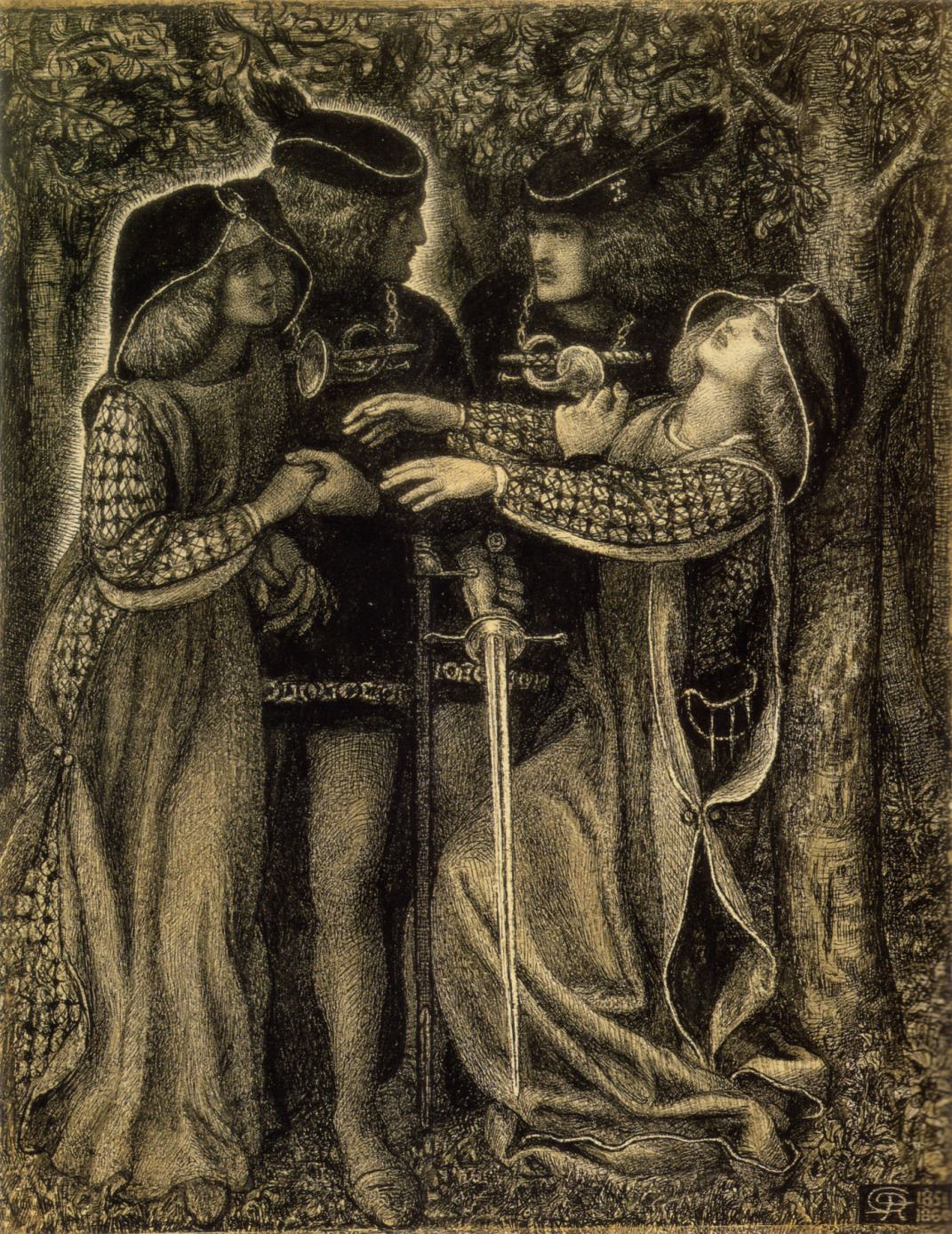
A doppelganger, from the German for double-goer, is someone who looks strikingly like you but is not related to you at all. Old stories treated meeting your double as an eerie omen, and the painter Dante Gabriel Rossetti turned the idea into a haunting picture of a couple meeting themselves in a dark wood.
Today the internet makes these meetings far more common, as people post photos and spot their twin strangers online. For more than two decades the Canadian artist François Brunelle has photographed pairs of unrelated look-alikes around the world, and his project gave scientists a rare chance to ask why these faces match.
Putting faces through the machine
A team led by Manel Esteller at the Josep Carreras Leukaemia Research Institute in Barcelona recruited 32 look-alike pairs from Brunelle's photos and published the results in Cell Reports in August 2022. First they ran the headshots through three different facial recognition programs to get an objective score of likeness.
Twenty-five of the 32 pairs were matched by at least two programs, and 16 pairs were matched by all three. For one of the programs, those 16 pairs scored about as high as identical twins. Every participant also filled in a detailed questionnaire about their body and lifestyle and gave a saliva sample for DNA testing.
What the DNA showed
The researchers checked more than four million genetic variants in each person. Nine of the 16 closest pairs clustered together genetically, sharing 19,277 common variants spread across 3,730 genes, even though they were not family. Their epigenetic marks and their mouth microbes, by contrast, were mostly different. Only one pair matched on each of those measures.
The questionnaires hinted that the likeness goes deeper than the face. Pairs that looked alike also tended to be closer in height and weight, and even in habits such as smoking and in level of education.
What it does and does not mean
The study suggests that genes play a big part in shaping a face, and that with billions of people alive, unrelated strangers can land on very similar combinations by chance. The DNA that shapes a face may also shape other physical traits.
The authors were careful about the limits. The sample was small, the photos were flat black and white headshots, and most participants were of European ancestry. Bigger and more diverse studies are needed before anyone can say how often a true double is out there for each of us.
- A DNA microarray, the kind of tool used to compare genomes: Bill Branson (Photographer), Public domain
- How They Met Themselves by Dante Gabriel Rossetti: Dante Gabriel Rossetti, Public domain
- A DNA genotyping chip: ErikAbner, CC BY 4.0
Text written by Actual Twin.